


22/09/2026
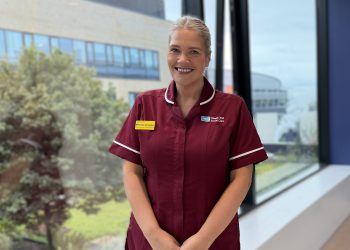
The Western Trust is supporting Gynae Cancer Awareness Month – September 2026 by highlighting the signs and symptoms of Cervical Cancer.
Michelle Gallagher, Gynae Clinical Nurse Specialist based at Altnagelvin Area Hospital, cares for people diagnosed with gynaecological cancers across the Western Trust area.
Michelle explained:
“As part of Gynae Cancer Awareness Month, I would like to talk about cervical cancer, how we can reduce our risk, and the symptoms everyone should be aware of.
“Almost all cervical cancers are caused by a common virus called HPV (Human Papillomavirus). Most people will come into contact with HPV during their lifetime and, in most cases, the body will clear it naturally. However, sometimes HPV can cause changes to cells in the cervix that may develop into cancer over time.
“One of the most effective ways to prevent HPV-related cancers is through HPV vaccination. Cervical screening is also an important way to help prevent cervical cancer. Screening is designed to identify HPV and early cell changes before cancer develops.”
Michelle continued:
“Cervical screening is important for anyone who has a cervix, including some transgender men and non-binary people. It is important to remember that cervical screening helps prevent cervical cancer, but it does not detect other gynaecological cancers.
“Symptoms of cervical cancer can include unusual vaginal bleeding, changes in vaginal discharge, pain or discomfort during sex, or persistent pelvic, tummy or lower back pain. These symptoms do not always mean cancer, but if something does not feel right for you, please do not ignore it.
My message is simple:
- Attend screening when invited.
- Take up HPV vaccination when offered.
- Know the signs and symptoms, and seek advice early if you have concerns.
“Over the course of Gynae Cancer Awareness Month, we have heard about ovarian, fallopian tube, endometrial, vulval/vaginal and cervical cancers. Each cancer is different.
“Know your body. Know the signs and symptoms. Do not be afraid to speak up if something does not feel right for you. Speak to your GP or healthcare professional if you have any concerns. Early recognition and seeking advice can make a real difference.
“And remember, if you or someone close to you is diagnosed with gynaecological cancer, you do not have to face it alone. There is help, support and a team of people here for you.
“Thank you for taking the time to listen, learn and share these important messages. We hope you find our videos helpful and informative.”
Early recognition of symptoms is key. Early detection saves lives.