


19/05/2026
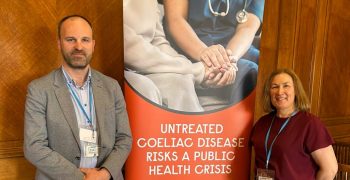
Right now across the UK, 1 in 100 people have coeliac disease, but only 36% are diagnosed1. That leaves 64% still unidentified, which is an estimated 500,000 people living in the UK, and more than 10,000 people in Northern Ireland, who are living with and suffering avoidable harm due to undiagnosed coeliac disease1. Every May, Coeliac UK shines a light on people living with unexplained and often debilitating symptoms they don’t yet have answers for.
Coeliac disease is a serious autoimmune condition affecting around 1 in 100 people, yet only around half of these have a diagnosis – often after years of unexplained symptoms. Even following diagnosis, many patients do not receive the follow-up care needed, increasing the risk of long-term health complications.
Symptoms of coeliac disease can be recurrent, persistent or unexplained. They may include fatigue, mouth ulcers, anaemia, fertility issues, neurological issues such as numbness in the hands or feet, and abdominal symptoms such as diarrhoea and bloating. If a first degree relative (such as a parent, child or sibling) has coeliac disease, the chance of having it too increases to 1 in 10.
Coeliac UK works hard to raise awareness of the symptoms of coeliac disease, provide advice on how to get diagnosed, and make sure the wider community understand the importance of the gluten free diet for those affected. The charity has a free online self- assessment to find out “is it coeliac disease?” https://isitcoeliacdisease.org.uk/
This test can help people to identify if they should speak to a GP. It is important not to remove gluten from the diet until tested, as this risks a potential false negative result.
Joy Whelan, Advanced Practice Gastroenterology Dietitian at the Western Trust explained:
“Coeliac disease is a serious autoimmune condition where the body’s immune system attacks it’s own tissues when gluten, a protein found in wheat, barley and rye, is eaten. The treatment involves a strict lifelong gluten free diet. Myself and my colleagues aim to treat patients with a diagnosis of coeliac disease holistically ensuring that individual patient centred care is at the heart of the treatment and support for our patients”.
“Figures provided by Coeliac UK report coeliac disease affects approximately 1 in every 100 people in the UK… but only an estimated 36% are diagnosed. However, the number of people diagnosed in Northern Ireland is higher than the rest of the UK 2. Each year the numbers are increasing in the Western Trust and across the UK.”
To mark coeliac awareness week healthcare professionals were invited to a reception at Stormont (Monday 18 May 2026) hosted by Colin McGrath MLA and supported by Coeliac UK, this reception brought together clinicians, policymakers, and advocates to explore how services in Northern Ireland can improve timely diagnosis, strengthen follow-up care, and deliver better outcomes for the more than 10,000 people living with the condition.
Joy continued:
“We are very grateful for the support of our patients with coeliac disease including Laura who has kindly provided her support again this year. It is important that we listen to our patients and their feedback helps us to improve our service and hopefully has a positive impact on the treatment and advice for people living with coeliac disease in the Western Trust area.
Laura, 41 from Strabane, Northern Ireland began experiencing alarming neurological symptoms including severe brain fog, confusion and exhaustion which caused major disruption to her life.
“I didn’t know the days of the week. I’d send my kids to school in the wrong clothes. I was really struggling and felt like a different person sometimes.” Coeliac disease runs in Laura’s family, but she didn’t connect the dots. A referral to a gastroenterologist after numerous visits to the GP confirmed the diagnosis and Laura was advised to start a strict gluten free diet with specialist dietetic support. “I was grumpy at first because I couldn’t eat what I wanted – it was both physically and emotionally challenging. But I was soon discovering gluten free foods I liked and felt like myself again. My energy returned, and with it, my confidence and joy were back.”
Joy added:
“We provide a variety of clinics for patients across the Western Trust to suit their needs. We work collaboratively with our Consultant Gastroenterologists who provide advice and review of patients when required. Our service allows patients to get advice and support on their diet in addition to additional tests e.g. bone density scans if needed to ensure they are absorbing nutrients properly and an appropriate treatment plan is tailored to meet their needs.”
Hilary Croft, Coeliac UK CEO, commented:
“For those battling with unexplained symptoms, a coeliac disease diagnosis can be life changing. Our campaign aims to increase awareness of coeliac disease and we want to reach the estimated half a million people in the UK living with the symptoms of undiagnosed coeliac disease to help guide them on the road to recovery. At Coeliac UK, we’re here to help with advice and information for anyone who suspects they might have coeliac disease as well as those looking for ongoing support.”
For more information about Coeliac Disease, visit:
https://www.coeliac.org.uk/about-coeliac-disease/
If you’re interested in fundraising, join the Coeliac UK 64 Challenge, here: https://www.coeliac.org.uk/64-challenge/