


04/09/2026
Palliative Care Week 2026 – Challenge Common Myths About Palliative Care
We, in partnership with the All Ireland Institute of Hospice and Palliative Care (AIIHPC), is encouraging people to learn more about palliative care as part of Palliative Care Week 2026, which takes place from 6 – 12 September.
This year’s campaign theme, ‘It’s Not What You Think’, aims to challenge common misconceptions about palliative care and highlight the positive difference it can make to people living with life-limiting illnesses and their families.
Many people mistakenly believe that palliative care is only provided at the very end of life. In reality palliative care can be introduced much earlier to help people manage symptoms, improve quality of life and access practical, emotional, social and spiritual support.
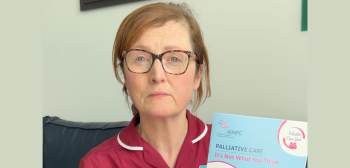
Martina Donaghy, Palliative Care Facilitator at the Western Trust said:
“Palliative care is about helping people live as well as possible for as long as possible. It supports not only patients, but also their families and carers, helping them navigate the challenges that can come with a serious illness.
“This year’s theme, ‘It’s Not What You Think’, is an opportunity to challenge some of the common myths surrounding palliative care and raise awareness of the wide range of supports available.
“Palliative care is not only for people with cancer – it can benefit anyone living with a life-limiting illness. It is available to people of all ages and can be provided in a range of settings, including hospitals, hospices, care homes and people’s own homes.”
Emma King, Western Trust Macmillan Specialist Palliative Care Team Manager added:
“Importantly, palliative care is not only about dying. It can support people from the point of diagnosis onwards, helping them manage symptoms, maintain independence and continue doing the things that are important to them. It can also support families and carers and may include rehabilitative palliative care, complementary therapies and creative arts therapies.
“While palliative care can be provided throughout the course of a life-limiting illness, end of life care is one part of palliative care and usually refers to the care provided when a person’s life expectancy is limited to a short period of time.”
We are proud to work alongside partners across the health and social care system to ensure people receive compassionate, person-centred care when and where they need it.